
- 7 مايو، 2026
- Posted by: jkAdmin
- Category: Public
Unraveling the psychological effects of gambling on decision-making processes
The Nature of Gambling and Its Appeal
Gambling, in its various forms, has captivated human beings for centuries. The thrill of risk and the potential for substantial rewards are intrinsic motivators that draw individuals to engage in gambling activities. For many, the excitement of placing a bet or spinning a slot machine taps into a primal desire for unpredictability and the chance to escape daily life. This allure can lead to a range of psychological effects that significantly influence decision-making processes, particularly when engaging with platforms like Hispin casino.
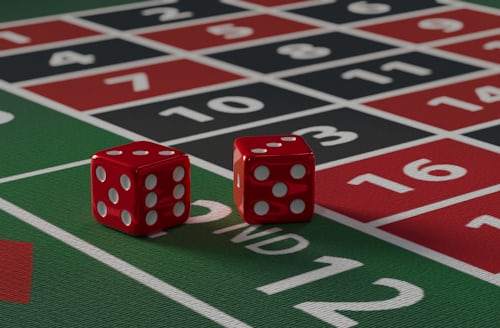
The excitement surrounding gambling often stems from a concept known as the “near-miss” phenomenon, where players come close to winning but ultimately fall short. This sensation can create a sense of hope and determination, compelling individuals to continue gambling despite repeated losses. As players chase the elusive win, their decision-making processes may become increasingly irrational, driven more by emotion than logic.
The social environment of gambling also plays a crucial role in its appeal. Many individuals gamble in groups, where the shared experience can amplify emotions and lead to a collective excitement. This camaraderie can cloud judgment, making it challenging for players to make rational decisions regarding their betting habits. In essence, the thrill of gambling becomes a potent mix of psychological and social factors that can easily skew decision-making processes.
The Psychological Triggers of Gambling Behavior
One of the key psychological triggers in gambling is the release of neurotransmitters, particularly dopamine, which is associated with pleasure and reward. When individuals win a bet, the surge of dopamine reinforces the behavior, often leading to repetitive gambling in hopes of replicating that euphoria. This biochemical reaction can distort decision-making, causing players to underestimate the risks involved and overestimate their chances of winning.
Furthermore, cognitive biases play a significant role in how gamblers perceive their decision-making processes. For instance, the illusion of control bias leads individuals to believe they can influence outcomes in games of chance. This false sense of control can compel players to make riskier bets, as they convince themselves of their ability to beat the odds. Such cognitive distortions can significantly impact financial decisions and lead to problematic gambling behaviors.
Additionally, the concept of loss aversion, where the pain of losing is felt more acutely than the joy of winning, can further complicate decision-making in gambling. Gamblers may chase losses, convinced that another bet will recover their funds, often leading to a downward spiral of financial and emotional distress. Understanding these psychological triggers is essential for recognizing the profound influence they have on gambling decisions.
The Impact of Gambling on Risk Assessment
Risk assessment is a critical component of decision-making, and gambling significantly alters how individuals evaluate risk. In a typical scenario, rational decision-makers weigh the potential rewards against the potential losses. However, gambling creates a unique environment where emotional responses often eclipse logical reasoning. This shift can lead to poor judgment and impulsive decisions that are not characteristic of the individual’s usual behavior.
Moreover, the concept of “sunk cost fallacy” frequently emerges in gambling contexts. Players may continue to invest time and money into a losing proposition, believing that their prior investments justify further risk. This cognitive bias distorts their ability to accurately assess the situation, often resulting in compounded losses. The impact of such biases on decision-making is profound, highlighting how gambling can lead to a departure from rational thought.
Additionally, the environment in which gambling occurs can exacerbate distorted risk assessment. High-energy casinos and online platforms often employ various psychological tactics, such as bright lights and enticing sounds, to create an atmosphere of excitement and urgency. These factors can further obscure rational thinking, making it challenging for individuals to make well-informed decisions about their gambling habits.
While understanding the psychological effects of gambling is crucial, it is equally important to develop strategies for responsible gambling. One effective approach is setting strict limits on time and money spent on gambling activities. By establishing predetermined boundaries, individuals can maintain control over their gambling behaviors and minimize the risk of developing problematic habits. These self-imposed limitations can serve as a safeguard against the emotional highs and lows that often accompany gambling.
Another strategy is to practice mindfulness and self-awareness during gambling sessions. Players can benefit from recognizing their emotional state and understanding how it influences their decision-making. By taking moments to pause and reflect, individuals can avoid impulsive choices driven by excitement or frustration. This self-regulation can enhance the overall gambling experience and help maintain a healthy balance.
Moreover, seeking support from friends or professional resources can be instrumental in promoting responsible gambling. Open discussions about gambling habits with trusted individuals can provide valuable insights and accountability. Engaging with support groups or counseling services can also equip individuals with the tools needed to navigate the complexities of their gambling behaviors effectively.

Hispin Casino: A Responsible Gaming Environment
Hispin Casino exemplifies an online gaming platform that prioritizes responsible gambling while providing an exhilarating gaming experience. Tailored specifically for Canadian players, it offers a wide range of modern slots and various betting options, ensuring an engaging environment. The casino emphasizes user safety and compliance, fostering a space where players can enjoy themselves without compromising their well-being.
New users are greeted with enticing bonuses, including a generous welcome offer, which helps create a positive initial experience. However, the site also encourages responsible gambling through various tools that allow players to set limits on their deposits and betting activities. This proactive approach not only enhances player satisfaction but also aligns with the overarching goal of promoting healthy gambling habits.
In conclusion, as players explore the thrilling world of online gambling, it is vital to recognize the psychological effects that influence decision-making. Platforms like Hispin Casino offer exciting opportunities while emphasizing the importance of responsible gaming practices. By combining enjoyment with mindfulness, players can navigate their gambling journeys in a balanced and informed manner.
 العربية
  English